Residential Locksmith in Vancouver
A residential locksmith in Vancouver for the locks on your home: lockouts, rekeys, deadbolts and upgrades, all done at your door. Call 604-227-9083 and we confirm the price and arrival on the call.
 Fig. 01 — Vancouver, BC
BC Security Business Licence #B6227.→
Call now
604.227.9083
What a residential locksmith does for your home
The technician and the parts come to your door.
Fast Locksmith Vancouver works on houses, townhouses, basement suites and strata suites across the City of Vancouver and the UBC area.
- LockoutsLocked out of a house or suite. See home lockout service.
- RekeysOld keys stop working, the lock stays. See lock change and rekey.
- Lock changesWorn, forced or mismatched locks replaced on entry, back and suite doors
- DeadboltsNew deadbolts fitted, including on doors that never had one
- Smart locksKeypad and app locks fitted and coded. See smart lock installation.
- Spare keysCopies cut at your door. See key cutting.
- Door fixesA door that won't latch, or a frame damaged in a break-in. See door repair.
The total for your address is confirmed on the call, before a technician is sent.
Hardware you bought yourself can be fitted if it suits the door.
See locksmith prices →Which home lock job do you need?
Most calls start with a symptom, not a service name. Here is how the usual ones sort out.
You are outside the door
That is a lockout. After hours, call the 24/7 emergency line.
You don't know who has a key
Rekey. The lock stays, the old keys stop working. Lock change and rekey covers it.
The key turns but the door won't lock
The bolt probably no longer meets the strike. That is door repair, not a new lock.
The lock is loose, gritty or forced
Replace it. A worn cylinder won't hold a rekey for long.
You want a code, not a key
A keypad or app lock. See smart lock installation.
Home rekey and deadbolt service in Vancouver
Two of the most common house calls, done at your door.
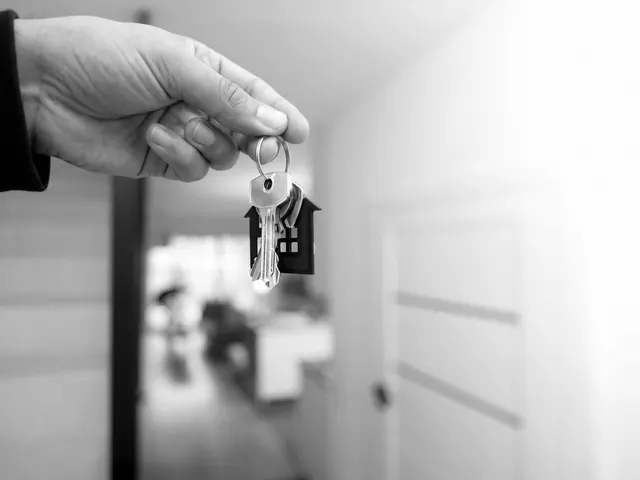
New keys for a home you just moved into
You do not know who still holds a key to a place you just got. We rekey the cylinders so the old keys stop working and cut a fresh set for you.
Front, back and side doors can often share one key, so the ring gets lighter.
A door that will not lock properly
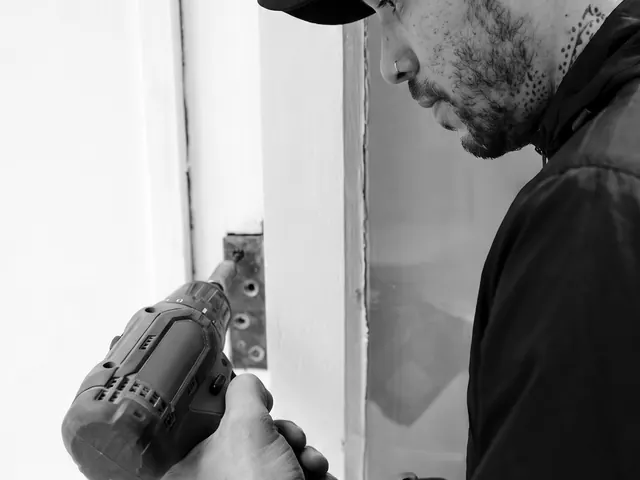
When the bolt and strike no longer line up, the door looks shut but is not secure. We refit the strike plate and set the bolt so it throws cleanly into the frame.
If the frame is the problem, we tell you at the door and fit a stronger deadbolt where the door allows.
Rekey your locks after moving in
When you move into a home, you can't know how many copies of the old keys exist. Rekeying fixes that in one visit.
Past owners and trades
Previous owners, tenants, contractors and neighbours may all hold a key. Rekey every entry door, not just the front.
One key for the house
Front, back and side doors can be set to one key where the keyways match. Fewer keys on the ring.
Old keys tested dead
We try your old keys in the lock so you see them fail, then test the new ones on every door they should open.
Deadbolts and lock upgrades for a home
A knob lock on its own is the weakest part of most entry doors. A deadbolt is the cheapest real upgrade.
Grade 2 or Grade 1
A Grade 2 deadbolt suits most homes. Grade 1 or high-security is a step up for a front door that faces a lane or street.
Doors with no deadbolt
We bore the door, fit the bolt and align the strike. The door and frame decide if it can be done, and we say so on the call.
Keypad and app locks
Fitted and coded at the door, on houses and on strata suite doors. Check your bylaws first in a strata.
Strata suites, rentals and houses: who decides
Who can approve lock work depends on whether you own the door, rent it, or share the building.
✓We do
- Your own house, suite or secondary suite door
- Rekeys between tenants, with the owner's approval
✕Your strata or property manager
- Lobby, parkade and common-area locks
- Building fobs. We never copy or program them.
Tenants should get the landlord's OK before any lock change.
Strata bylaws
A rekey keeps the brand and finish the building sees. Replacing the whole lockset can need council approval, so check first. High-rise strata in the West End are a common example.
Locks in older Vancouver houses
Pre-war houses often have mortise locks set into the door edge, not cylinders bored through the face.
Re-pin, don't replace
A removable mortise cylinder can be re-pinned with the original hardware left on the door, which suits character homes such as those in Shaughnessy.
Add a deadbolt above
A modern deadbolt won't drop into a mortise pocket. A separate deadbolt above the old lock is often the simplest upgrade.
01Do you work on strata suite doors?
Yes, on your own suite door. A rekey or lock change on the suite is usually yours to book, but check your bylaws first. Lobby doors, parkade gates and building fobs belong to your strata, so we don't touch them.
02Should I rekey or change the locks after buying a home?
Rekey is the usual choice. It makes every old key useless for far less than new hardware. Change the lock only if it is worn, damaged or too light for an entry door.
03Can you add a deadbolt to a door that has none?
Usually, yes. Adding a deadbolt to a door never bored for one is a standard job. A thin hollow door or a narrow frame may need a different fix, which we tell you on the call.
04Do I need to be home during the work?
Someone who can show the home is theirs and approve the work needs to be there at the start. We check ID and proof of residence or ownership first, and you try the new keys before we leave.
Vancouver neighbourhoods we do home lock work in
Mobile residential locksmith work across the city of Vancouver and the UBC area.
Each area page covers the doors, buildings and locks we see in that part of the city.
View Service Areas ↗Call a Vancouver locksmith: 604-227-9083
↗Tell us what the door is doing and where you are. The work is done and tested at your door, and arrival is confirmed on the call.